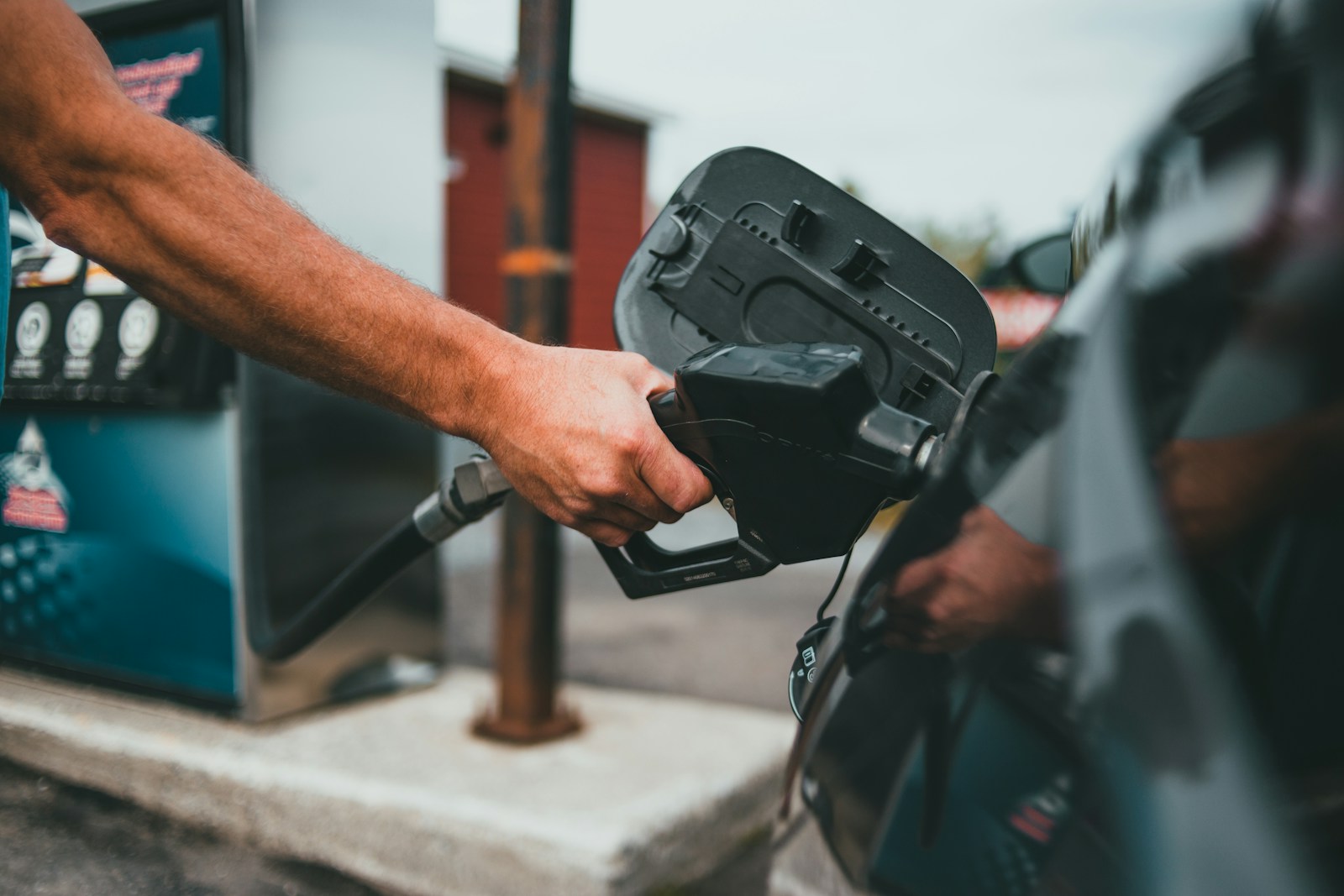
As petrol prices in Australia edge towards a staggering $2.50 per litre, the ongoing conflict between Israel and Iran could be the unexpected spark that accelerates the country’s shift toward electric vehicles (EVs).
Experts are already warning that petrol prices and EV growth in Australia are becoming closely linked, with many Aussies likely to reconsider their reliance on petrol-powered cars.
Swinburne University urban mobility expert Professor Hussein Dia has likened the current situation to the oil shocks of the 1970s, when prices quadrupled, triggering major changes in energy consumption worldwide. With petrol prices tipped to skyrocket, Australians may soon be facing a similar turning point.
Why Are Petrol Prices Rising So Fast?
The Israel-Iran conflict has sent ripples through global energy markets. Australia, despite producing some oil, is heavily dependent on international supply. Any disruption in the Middle East, a key oil-exporting region, can cause immediate price spikes at the pump.
Economists predict that fuel prices in Australia may consistently hover between $2.40 and $2.50 per litre if the situation escalates. This creates a financial strain for everyday commuters, businesses relying on transport, and regional Australians who depend on long drives.
How High Petrol Prices Could Drive EV Adoption
Australia has been slow to embrace electric vehicles, largely due to limited infrastructure, higher upfront costs, and range anxiety. But that may change rapidly. With petrol now a volatile and costly resource, EVs are looking more appealing than ever.
Professor Dia explains, “We’ve seen this pattern before. In the 1970s, people began switching to smaller, fuel-efficient cars. Today, EVs are the new solution.”
Unlike petrol, electricity can be sourced locally from renewables like solar and wind, making electric cars in Australia more attractive both economically and environmentally.
Government Incentives + Public Pressure = EV Growth
The Australian government is already pushing for EV adoption through rebates, tax incentives, and state-level support programs. With growing pressure on both the environment and wallets, public sentiment is shifting quickly.
More Aussies are asking:
- Why spend $150 a week on petrol when I can charge my EV for a fraction of the cost?
- What happens if fuel supply chains get worse?
These questions, combined with petrol prices and EV growth in Australia, are forming the foundation for an EV surge.
Will Australia Be Ready?
The biggest challenge isn’t interest it’s infrastructure. To support a boom in electric vehicles, Australia needs:
- More public charging stations
- Better access to home charging
- Affordable EV options for middle-income Australians
However, brands like Tesla, BYD, MG, and Hyundai are already making EVs more accessible. As supply grows, prices are likely to drop, making 2025 a potential breakout year for EV growth in Australia.