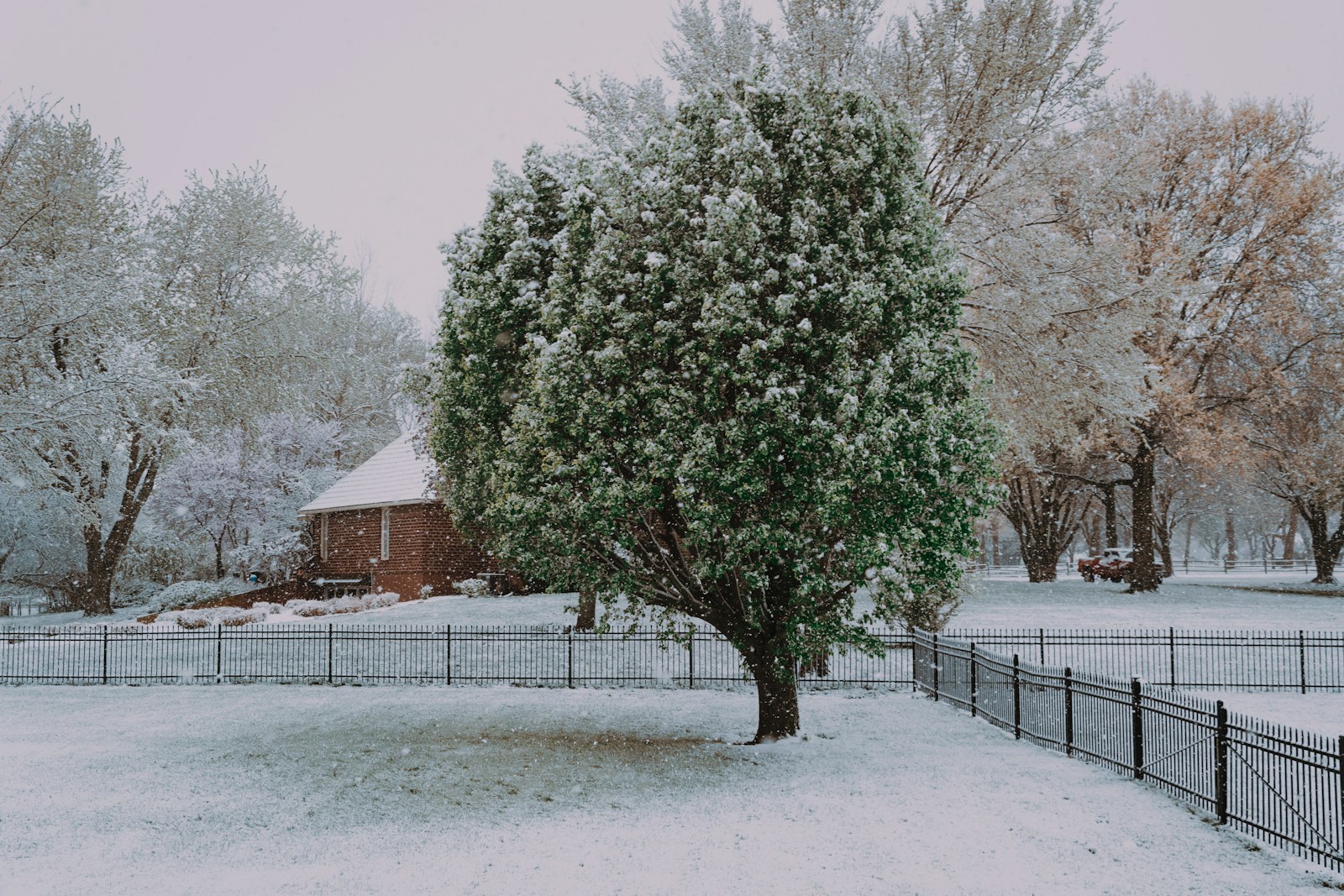
A powerful snowstorm in Southeast Australia has brought freezing temperatures and thick blankets of snow to parts of New South Wales and Victoria, leaving towns and ski resorts covered in up to 40cm of snow.
The cold snap, which began earlier this week, shows no signs of easing and is expected to continue through the weekend.
Cold Snap Freezes Inland NSW and Victoria
The snowstorm in Southeast Australia has swept through regions including the Central Tablelands in NSW, where towns like Oberon and Black Springs have been transformed into white wonderlands. Locals woke up to icy conditions and heavy snow coverage, with roads becoming slippery and visibility reduced in some areas.
Inland areas that rarely see snowfall are experiencing record low temperatures. This sudden drop in temperatures has taken many residents by surprise, with heating systems working overtime and emergency services urging caution on icy roads.
Mount Buller Buried in Fresh Snow
Over in Victoria, Mount Buller ski resort has reported some of the heaviest snowfall in recent times. According to resort owner Rob Arvato, the upper mountain received approximately 35 to 40cm of fresh snow in just 24 hours.
“I reckon in the last 24 hours we’ve had in the vicinity of 35, maybe 40cm (of snow) on the upper mountain,” Arvato told ABC News.
This snowstorm is a welcome sight for ski resorts, especially after a dry start to the snow season. With the school holidays approaching, ski operators are hopeful that this dump will attract tourists looking to hit the slopes.
Weekend Weather Forecast: Snow Likely to Continue
Meteorologists have warned that the cold weather in Southeast Australia is likely to stick around for the next few days. The Bureau of Meteorology forecasts continued low temperatures, with more snowfall expected in higher altitude regions across NSW and Victoria.
Areas such as the Snowy Mountains, Kosciuszko National Park, and Falls Creek are all on alert for further snow showers. Travellers heading to these regions are advised to carry snow chains and check weather warnings before departure.
Safety First: What Residents Should Know
Authorities have issued a cold weather warning for affected regions, urging residents to take necessary precautions:
- Keep heating sources well-ventilated to avoid fire hazards.
- Drive with caution, especially on snow-covered or icy roads.
- Stock up on essentials if living in isolated or mountainous areas.
- Check in on vulnerable neighbours and elderly residents.
Is This the Start of a Long Winter?
Experts believe that the snowstorm in Southeast Australia could signal a longer and more intense winter than usual. With El Niño conditions fading and La Niña patterns potentially emerging later this year, wetter and colder conditions may become more frequent.
This means more snow could be on the way for the Alpine regions, which would be great news for the snow tourism industry but may require extra vigilance for residents living in high-altitude zones.