

A woman in her 30s has died from leptospirosis after contracting the bacterial infection while hunting near a billabong in the Northern Territory.
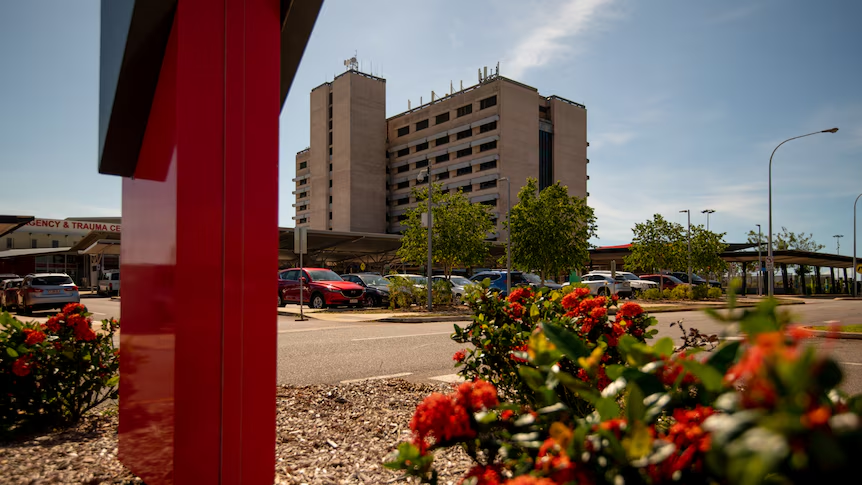
The woman, from a remote Top End community, died at Royal Darwin Hospital last week after developing a rapid infection, according to Northern Territory health authorities.
Leptospirosis is a serious bacterial disease that can be transmitted through water, mud or soil contaminated with urine from infected animals.
Health officials said the woman had underlying health conditions, although the precise location where she contracted the infection and how long she had been unwell remain unclear.
The case has renewed warnings for people who spend time around waterways, particularly those involved in hunting, bushwalking, mustering or other outdoor activities.
According to NT Health, 11 cases of leptospirosis have been recorded in the Northern Territory during 2026. That compares with six cases reported across the Territory last year.
Three other people who were admitted to Royal Darwin Hospital’s intensive care unit with the illness in recent months have since been discharged.
Authorities have previously identified several areas where people may face an increased risk, including parts of the Top End around Fogg Dam, Harrison Dam, Gunbalanya, the Finniss River, Tipperary Station, rural Darwin, Katherine and Arnhem Land.
People can become infected when contaminated water or soil comes into contact with cuts or broken skin. Bacteria can also enter through the eyes, nose or mouth.
Symptoms can include a sudden fever, severe muscle pain and bloodshot eyes.
Health authorities are urging people who develop possible symptoms after exposure to contaminated water or soil to seek medical attention quickly. Early diagnosis and treatment are considered important in managing the infection.
The death highlights the health risks that can accompany outdoor activities in northern Australia, particularly in areas where people may come into contact with waterways and wildlife.
Authorities are continuing to urge residents and visitors to take precautions when entering potentially contaminated water or mud.


