

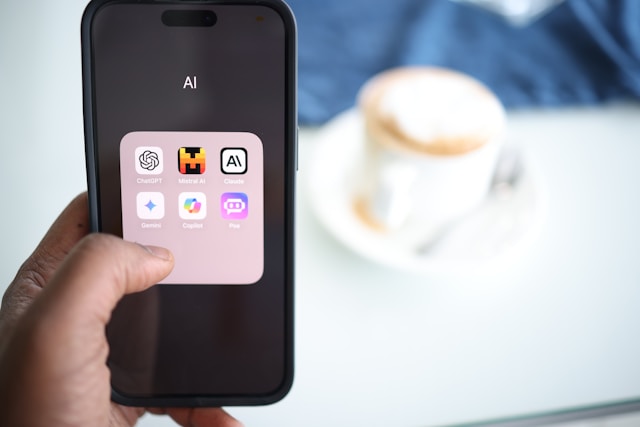
In 2025, Artificial Intelligence (AI) continues to evolve, reshaping every industry from healthcare to entertainment, and even our daily routines. As AI tools become more sophisticated, their impact on our lives grows exponentially. In this article, we explore the latest trends in AI. Plus the most exciting AI technologies in 2025, and how they are transforming the way we work, live, and play.
What’s Driving the AI Boom in 2025?
The rapid advancements in machine learning, natural language processing (NLP), and predictive analytics have paved the way for AI. This to become more intuitive, adaptive, and accessible. Here’s a closer look at what’s driving the AI revolution:
- Improved Algorithms: AI systems are getting smarter, with better predictive capabilities that enhance everything from personal assistants to business analytics.
- Cloud Computing and Data Storage: The exponential growth of cloud storage allows for seamless data processing and AI integration, making these technologies more accessible to businesses and consumers alike.
- Quantum Computing: Though still in its early stages, quantum computing is expected to drastically speed up AI training. This will make it even more powerful and versatile.
Top AI Trends to Watch in 2025
As AI technology continues to evolve, several key trends are set to dominate the landscape in 2025:
1. Generative AI: Creating Art, Music, and Content
Generative AI is gaining massive traction. In 2025, we’ll see AI tools like ChatGPT and DALL·E 3 (OpenAI’s image generation tool) continue to push boundaries. These technologies are already used for creating text, images, and even music, and they’re expected to become even more creative and realistic in the coming years.
Example: Artists and marketers are using generative AI to create original content that aligns with personal preferences, while business owners leverage AI tools to generate compelling marketing materials without the need for expensive creative teams.
2. AI in Healthcare: Revolutionizing Medicine
AI-powered tools are making breakthroughs in healthcare diagnostics, drug development, and personalized medicine. By analyzing medical data at an unprecedented speed and accuracy, AI is helping doctors diagnose diseases early, tailor treatments to individual needs, and even predict health risks before they become critical.
Example: AI is being used to predict cancer, monitor heart health, and even assist with robotic surgeries in real-time.
3. Autonomous Vehicles: The Future of Transportation
AI is transforming the transportation sector with autonomous vehicles. Self-driving cars, trucks, and drones are becoming more reliable and are set to revolutionize logistics, public transport, and even personal commutes in 2025.
Example: Companies like Tesla, Waymo, and Uber are already testing autonomous vehicles, with the expectation that self-driving trucks will dominate freight logistics within the next few years.
4. AI-Powered Personal Assistants
AI personal assistants have become an essential part of daily life. In 2025, we’ll see even more advanced AI-powered assistants like Siri, Alexa, and Google Assistant. These virtual assistants will go beyond simple commands, offering proactive suggestions, scheduling tasks, and even predicting your needs based on behavior patterns.
Example: Imagine an assistant that knows your preferred workout routine, suggests new recipes based on your dietary preferences, and automatically schedules appointments with your doctor when you’re due for a check-up.
5. AI in Education: Personalized Learning
It is transforming education by offering personalized learning experiences. AI tutors can now adapt to students’ needs, help with learning disabilities, and even assess student performance in real-time. By 2025, AI could become as common in the classroom as digital textbooks.
Example: AI-driven platforms like Duolingo and Khan Academy are already using AI to adapt lessons to student needs, enhancing the learning experience for millions globally.
How AI is Improving Our Everyday Lives
While these advancements may seem groundbreaking, AI is already influencing daily life in subtle yet powerful ways:
- Smart Home Devices: AI-powered home assistants and devices like thermostats, security cameras, and lighting systems are making our homes smarter, more energy-efficient, and safer.
- AI in Shopping: Online retailers are using AI to recommend products tailored to individual preferences, track purchases, and streamline customer service.
- Entertainment: Streaming services like Netflix and Spotify are already using AI to recommend shows and music, and it’s becoming more sophisticated in tailoring content to user tastes.
How Will AI Impact Jobs in 2025?
The rise of AI has sparked debates about its impact on the job market. In 2025, we can expect a shift in job roles—many tasks will be automated, but new jobs will also emerge. Professionals will need to adapt by acquiring new skills in AI integration, data analysis, and machine learning.
Example: The AI-powered customer service sector is growing rapidly, with AI chatbots replacing routine inquiries, but companies will still need AI specialists to ensure smooth operations.
Why 2025 Is the Year for AI
With AI technology becoming more sophisticated and accessible, 2025 is the year we will witness AI’s true potential. From healthcare to transportation to entertainment, AI is shaping the future in real time. As these trends develop, we’ll continue to see AI not only optimize industries but also improve the quality of our personal lives.
Conclusion: Embrace the Future of AI
As AI continues to evolve, it’s clear that this technology will only become more integrated into our daily lives. Whether you’re a business owner, healthcare professional, student, or just someone curious about the future, AI’s role in 2025 promises to be transformative. Now is the time to stay ahead of the curve and embrace AI’s incredible potential!


