

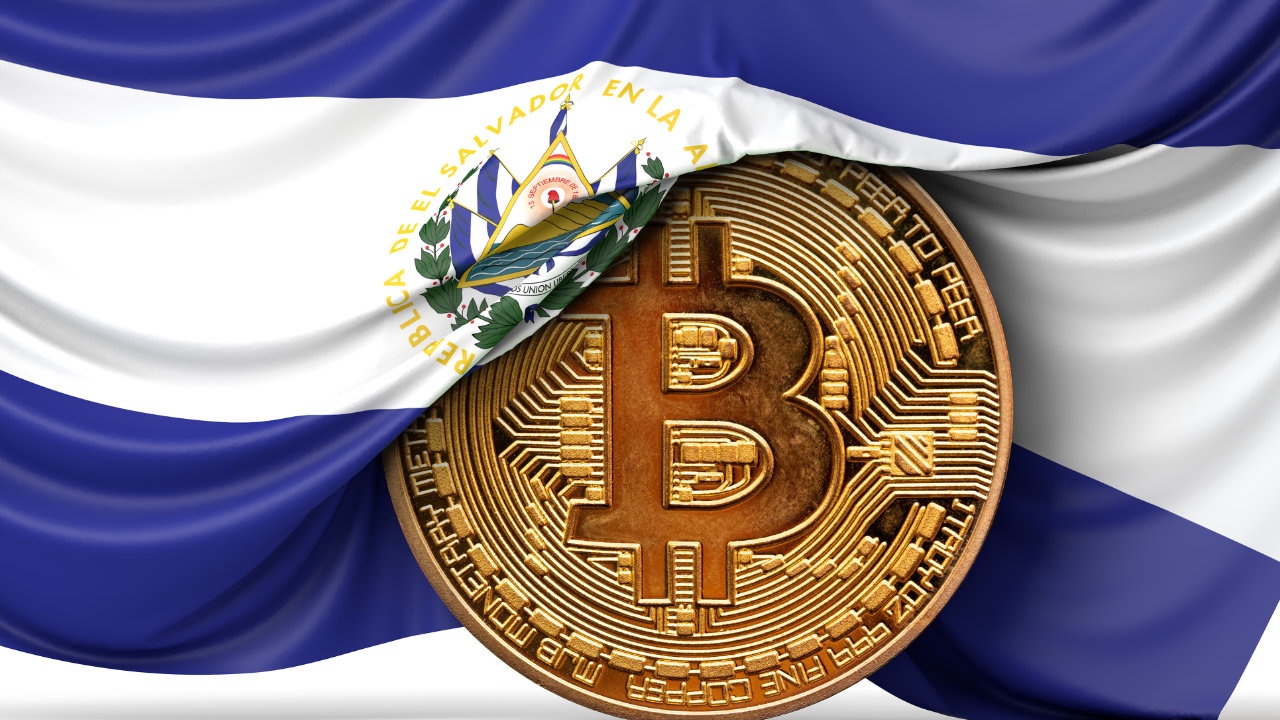
Angry protests, technical glitches and price plummet marked El Salvador’s first day of recognizing Bitcoin as an official legal tender.
The price of Bitcoin on Tuesday fell sharply to its lowest in about a month, falling from $ 52,000 (£ 37,730) to a little less than $ 43,000 at one time.
Accepting Bitcoin As A Legal Tender
Opposition politicians have highlighted that this fall in value of the world’s biggest cryptocurrency cost one of the poorest countries in Latin America $ 3m.
The mass adaption of bitcoin in El Salvador was far from what President Nayib Bukele would have thought as he embarked on his bold economic experiment.
Platforms such as Apple and Huawei did not offer the government-backed wallet, known as Chivo, and servers had to be disconnected after they failed to keep up with registrations of users.
However, as the day progressed, Chivo began to appear on many platforms and was welcomed by firms like Starbucks and McDonald’s.
How Is El Salvador’s Government Promoting Bitcoin Usage?
The governmentnof El Salvador has even given its citizens $ 30 worth of Bitcoin each to promote its acceptance into mainstream.
It says bitcoin could save the country $ 400m a year with transaction fees in remittances.
“We must break the paradigms of the past,” President Bukele tweeted. “El Salvador has the right to advance towards the first world.”
Not a good time for El Salvador due to Bitcoin taking its first major dip in months right after being adopted as an official legal tender. The fall in Bitcoin price was almost 20% at one time.
Criticism
“It was a very bad day for President Bukela, his government and his Bitcoin expermient,” opposition politician Johnny Wright Sol told the BBC.
“Most people know very little about cryptocurrencies. What we do know is that the market is very volatile. Today that has been proven.”
Mr Wright Sol said Bitcoin was not a valid national currency and was quick to say: “The Bitcoin law was passed in parliament without debate. It took about five hours to pass.
“We are not haters of cryptocurrency or Bitcoin, but we do not believe that it should be mandatory that businesses should be obliged to accept Bitcoin payment.
“The state is funding this and considering its risks but at the end of the day we taxpayers are all state.”
Mr Wright Sol is not the only critic. More than 1,000 protesters had gathered outside the country’s highest court, where tires were burned to bring attention to the issue.


