


Australia is unlikely to fully open its borders by 2021 even if most of its people are vaccinated this year as planned, a senior health official said.
These comments dampen the hopes raised by returning flights that could resume in July.
Department Of Health Secretary’s Statement
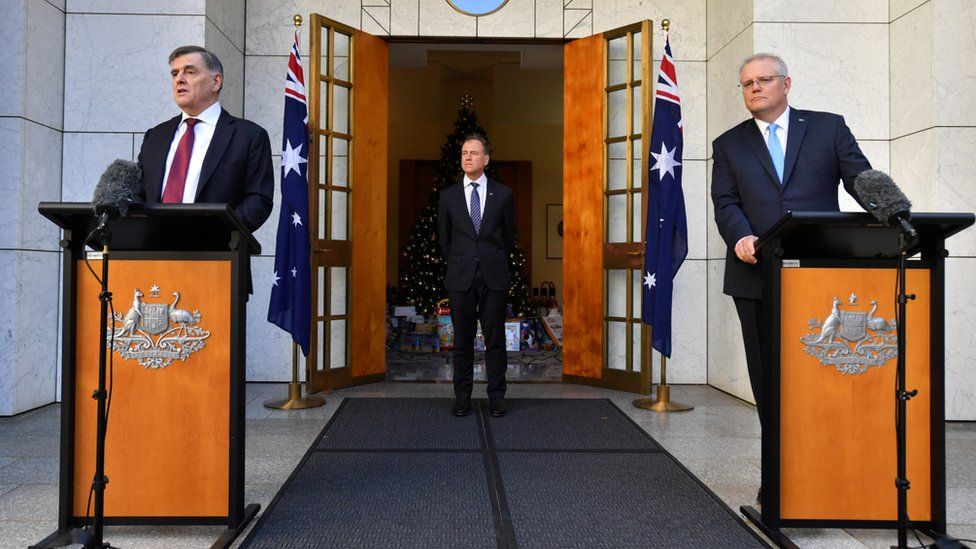
Department of Health Secretary Brendan Murphy made the prediction after being asked about the growth of coronavirus in some nations.
Dr Murphy spearheaded Australia’s early action to close its borders last March.
“I think we will go through the year with a set border restriction,” he told the Australian Broadcasting Corporation on Monday.
“Even though many people have been vaccinated, we do not know if that will prevent the transmission of the virus,” he said, adding that he believed that the quarantine requirements would continue “for some time”.
Citizens, permanent residents and those with exemptions are allowed to enter Australia if they complete a 14-day hotel quarantine at their own expense.
Qantas – Australia’s state-owned company – reopened booking earlier this month, after it said it expected international travel to “resume from July 2021.”
However, this does not mean that this depends on the Australian government’s decision to reopen the borders.
Travel Bubble Flights
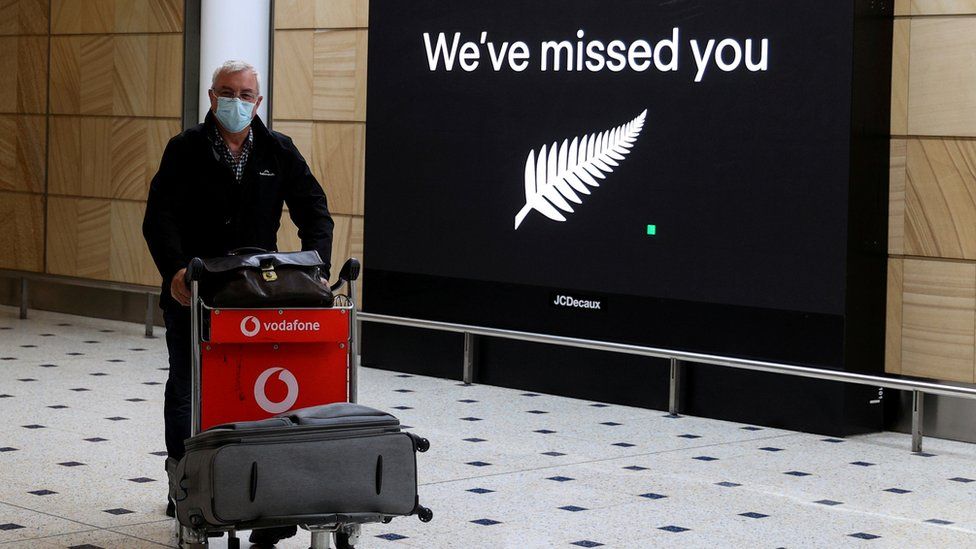
The country opened a travel bubble with neighboring New Zealand late last year, but it currently operates only on inbound flights to Australia.
Australia has also discussed the option of travel bubbles with other low-risk places such as Taiwan, Japan and Singapore.
The vaccination program should start in Australia by the end of February. Local authorities have resisted calls to speed up the process, providing more time for regulatory authorization.
Australia has so far reported 909 deaths and nearly 22,000 cases, far fewer than most nations. No infectious diseases were reported in the area on Monday.
Australia’s COVID Scenario
Experts say Australia’s great success is due to its immediate closure – which affected travellers from China as early as February – and a hotel quarantine system for people entering the country.
Local outbreaks have been caused by hotel quarantine breaches, including a second wave in Melbourne. The city’s residents endured a stringent four-month lockdown last year to successfully suppress the virus.
Other outbreaks – including one in Sydney, which were attended by about 200 people – have called for the closure of internal borders, and other restrictions over the Christmas period.
The state of Victoria said on Monday it would once again allow Sydney residents to move outside of designated “hotspots”, following a drop in cases.
While these measures are commended, many have also criticized them for separating families from national borders and harming businesses.
Dr Murphy said overall the response to the virus in Australia was “very positive” but believes the country could have brought a face mask earlier and improved its protection in nursing homes.


