

Staff at major Australian property developer Bathla Group have been stood down as the company struggles to secure enough funding to continue operating.
The move comes after the New South Wales-based developer entered voluntary administration earlier this week, with the company facing debts of more than $3.2 billion.
Administrators have been searching for an urgent cash injection to keep Bathla operating while they assess the company’s financial position and consider options for its future.
According to the ABC, Bathla’s administrators sought about $40 million in additional funding to support the company through to the end of September. The NSW government was approached for assistance but declined to provide financial backing.
A government spokesperson said authorities did not yet have a complete picture of the company’s financial position and were unwilling to put taxpayers’ money at risk to support private creditors.
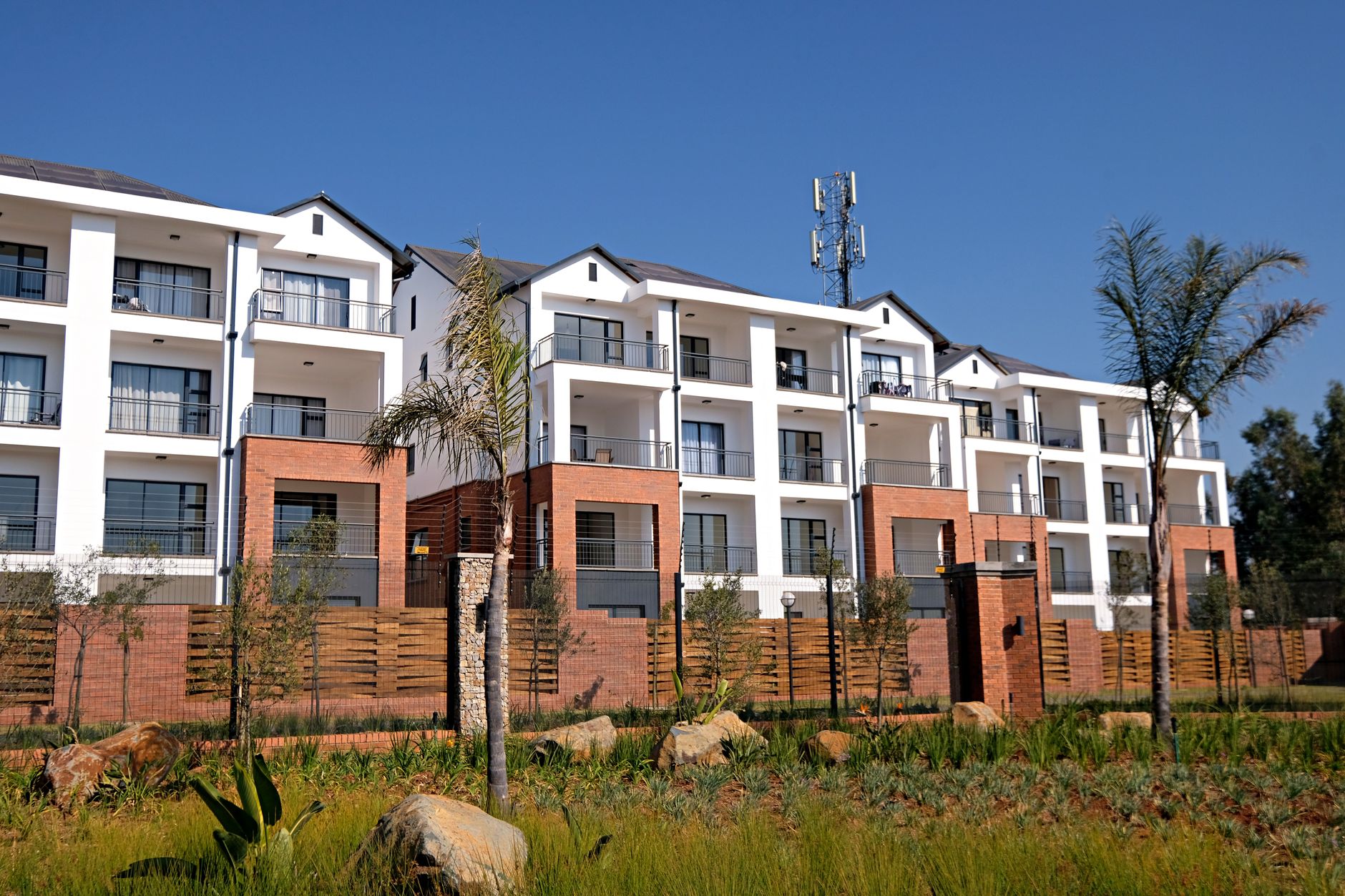
Bathla is one of the more prominent residential developers operating in Sydney’s western growth areas. About 2,000 homes are currently under construction across the group’s projects, while thousands more are included in its development pipeline.
The company’s financial problems have therefore raised concerns for homebuyers, workers, contractors and communities waiting for new housing projects to be completed.
Bathla has blamed a combination of weakening home sales, rising costs and changes affecting the property market for its financial difficulties.
Australia’s construction and property sectors have faced sustained pressure in recent years, with high interest rates, increased building costs and labour shortages affecting developers and homebuyers.
For Bathla, those pressures have now escalated into a fight for the survival of the company.
The decision to stand down staff highlights the urgency of the situation. Administrators will now need to determine whether the group can be restructured, sold or recapitalised.
Another possibility is that individual projects or assets could be sold to other developers.
The outcome will be closely watched because of the large number of homes connected to Bathla’s projects.
Any prolonged disruption could affect buyers who have already committed to properties, subcontractors waiting for payment and local areas relying on new housing construction.
The collapse also comes at a difficult time for New South Wales, where governments are under pressure to increase housing supply and address affordability.
Bathla’s administrators are expected to continue negotiations with lenders and other parties as they attempt to stabilise the business.
For now, the future of thousands of planned homes and the jobs connected to them remains uncertain.


