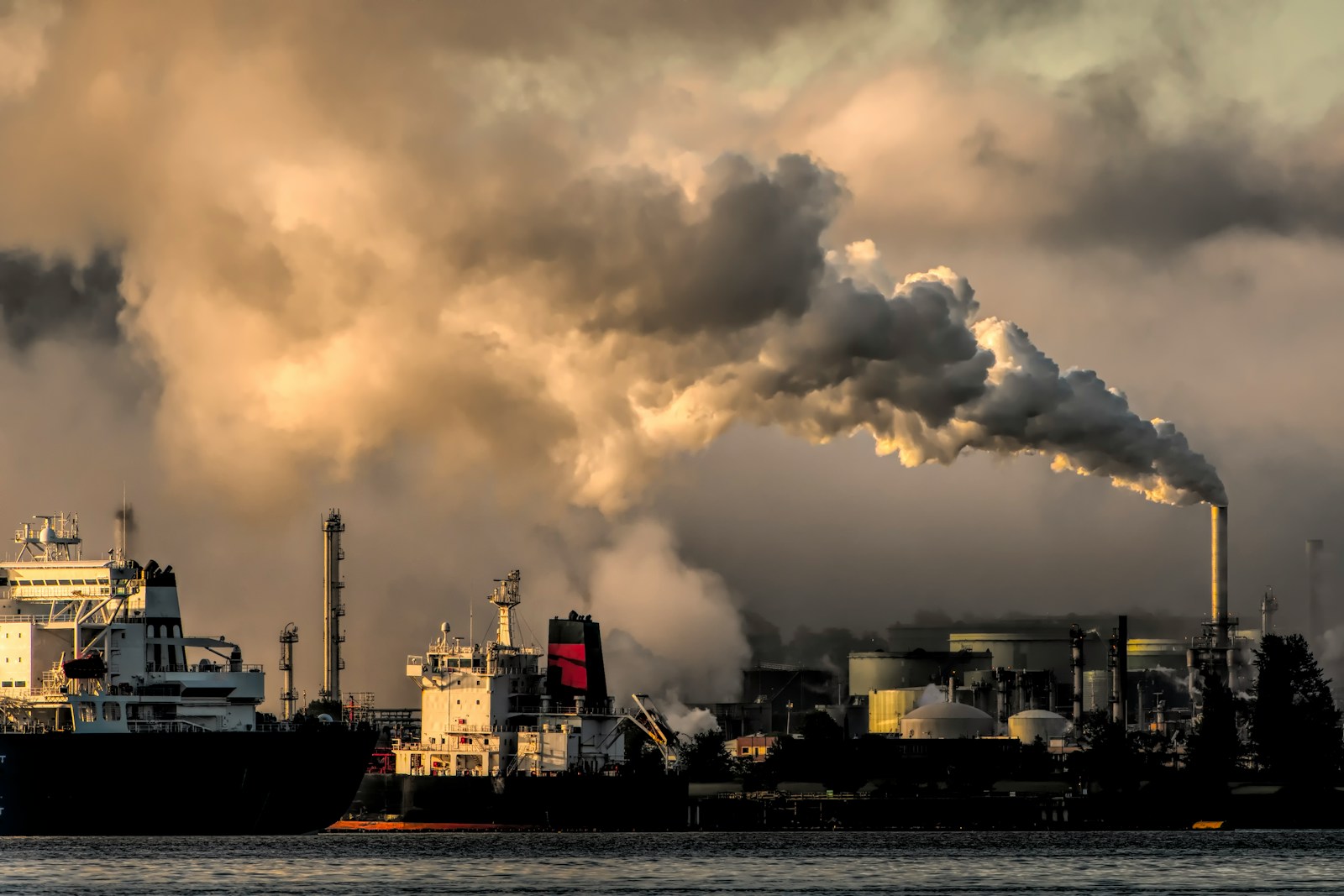
Australia is taking a major step forward in tackling climate change with a new plan to reduce carbon emissions by more than 200 million tonnes. The ambitious plan, announced by Energy Minister Chris Bowen on Tuesday, will target Australia’s largest emitters as part of the government’s “safeguard mechanism”.
The draft proposal calls for the country’s 215 largest emitters to reduce their carbon emissions by 28% by 2030, or an average of 4.9% per year.
Beginning in July, polluters who are not meeting their goals will be able to purchase carbon credits from businesses that are surpassing their objectives through a carbon trading system. The maximum cost for carbon credits will be set at $75 per tonne, which is much more than the government’s pre-election estimate of $24.
Mr. Bowen emphasised the importance of overhauling the mechanisms to significantly reduce Australia’s overall emissions by 43 per cent by 2030 and reach net-zero by 2050. He noted that 215 facilities captured by the mechanism, which include coal mines, aluminium smelters, and gas fields, have the potential to cut emissions by 205m tonnes by 2030 – an ambitious but attainable goal.
The plan has already been met with praise from environmental groups, who say that it is a major step forward in the fight against climate change. It is also being welcomed by businesses, who will benefit from investments in green technology.
“We should provide a framework for companies to determine a cost ceiling when they are deciding how to decarbonise, so that when considering abatement methods like direct investment in facilities, switching to green energy or investing in carbon offsets, they can meet their objectives without exceeding the predetermined cost,” Mr. Brown told ABC Radio.
Given its need to pass the legislation through the senate, the government may face difficulty due to the criticism of the proposal by both the Coalition and the Greens.
“If businesses do not collapse due to Labor’s skyrocketing energy prices, it is probable that they will transfer the costs of the new impost to their customers, which will include everyday Australian households, thus putting more strain on these already struggling businesses,” he said.
Australia is taking decisive action to reduce its carbon emissions and meet its 2030 goals. The nation’s 215 biggest carbon emitters will be captured by a new mechanism and required to reduce their emissions by around five per cent a year. This will help ensure the country meets its emissions reduction targets and contributes to global efforts to mitigate climate change.
The mechanism is an important step towards achieving the government’s 2030 emissions reduction targets. It will help to ensure that Australia meets its commitments under the Paris Agreement, and encourages companies to adopt measures that reduce their emissions.