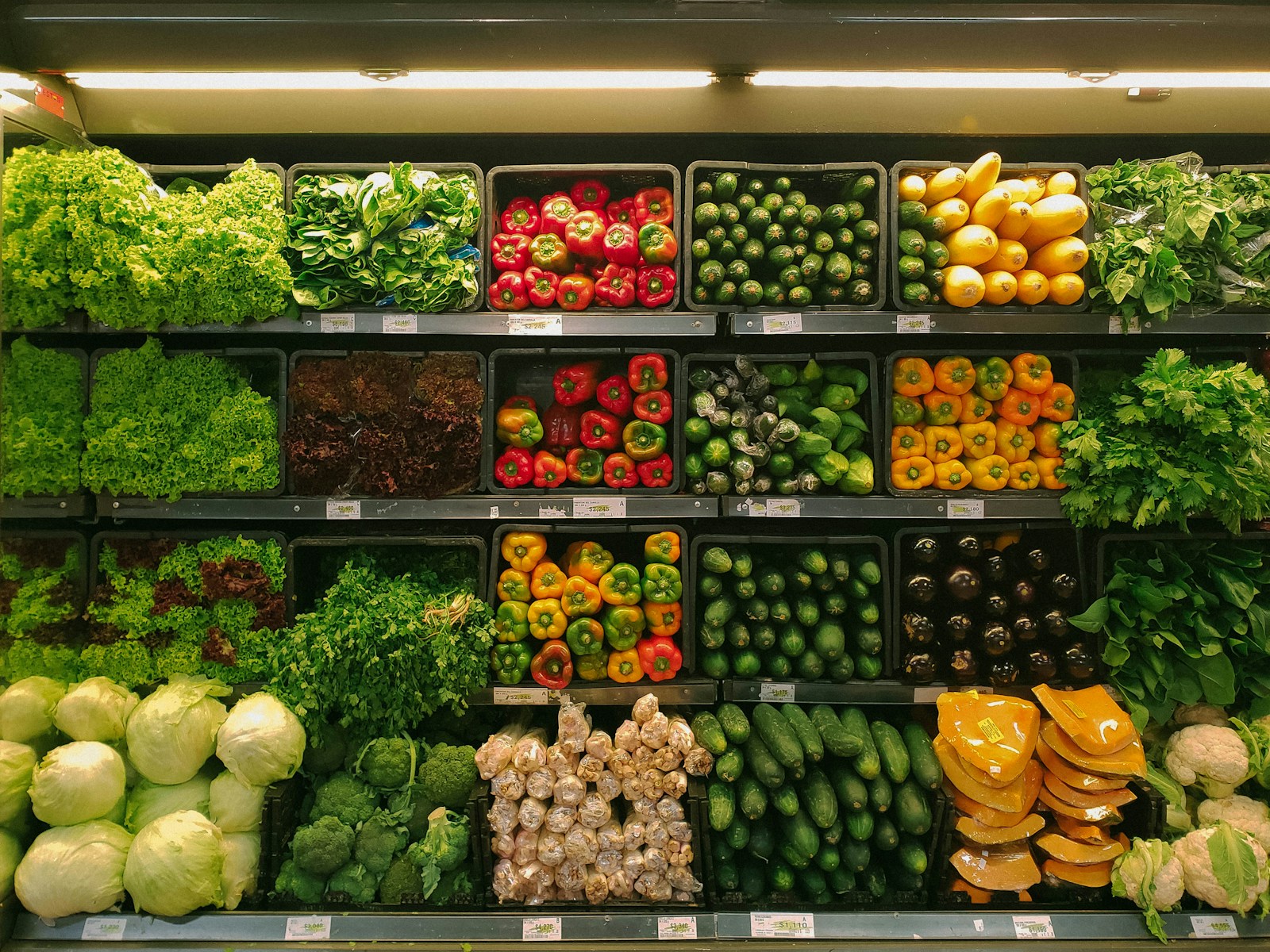
As Aussie shoppers brace themselves for the looming threat of inflation and interest rate hikes, the news that Coles is extending its price freeze program could not come at a better time.
Coles, one of Australia’s largest supermarket chains, has announced that it will extend its ‘Dropped and Locked’ price freeze program, in a win for shoppers struggling to keep up with soaring inflation and interest rate hikes.
On Monday afternoon, Coles announced that the ‘Dropped and Locked’ campaign would be extended past the current month, the deadline for completion of the freeze was January 31.
The initiative was introduced in the middle of 2022, along with a similar program from rival Woolworths, that aimed to offer customers hundreds of essential items at a fixed price. Woolworths’ program has already expired, but Coles has now announced its commitment to freeze prices on items including fruit, vegetables, meat, dairy, bread, canned and frozen goods, and cleaning products.
The extension of the price freeze program is set to provide welcome relief to households across the country, helping to keep costs down at a time when other costs, such as energy and insurance, are rising.
“The promotion of “Dropped and Locked” will be extended beyond January 31, when the initial phase was initially set to conclude,” a Coles Spokesperson said.
Flour, sugar, oats, eggs, cheese, bacon, and nappies were all essential trolley items included in the supermarkets’ price freeze.
In August last year, Coles reduced the prices of various staples, including a 1kg container of Flora margarine spread which was decreased by 45 cents to $8.95, and a $8 jar of Bega Peanut Butter which was marked down by 50 cents. Additionally, Coles brand flour ($2.40 to $2) and chicken pieces ($9/kg to $8.50/kg) were also reduced.
The potential for prices to be higher than their pre-policy levels when Dropped and Locked ends has yet to be determined. This comes as households experience increasing financial pressure from the Reserve Bank, which has raised interest rates for 8 months in a row, bringing them up to 3.1%, the highest rate in over 10 years.