


Qantas has proposed a joint venture with Japan Airlines that will enable them to combine schedules and flights, and share profits in a deal that will bind 70 percent of the tourism market between the two countries.
Qantas CEO Alan Joyce said the partnership would open up new routes between Australia and Japan and help tourism – which flourished on both sides before COVID-19 – bounce back as soon as international borders were opened.
ACCC Concerns
However, the agreement unveiled on Wednesday will be closely monitored by the Australian Competition and Consumer Commission, given that there was only one group of direct flights between the two countries.
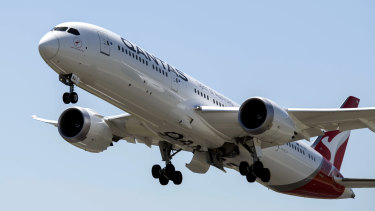
Qantas and its budget arm Jetstar accounted for nearly 60 percent of Australia to Japan travelers markets in 2019, while Japan Airlines (JAL) accounted for 10 percent. All Nippon Airways (ANA) had an 8 per cent share.
Virgin Australia was expected to launch flights to Tokyo’s Haneda airport in March this year and partnered with the ANA but the epidemic put those plans on a hiatus.
The Virgin has since closed down its operations and went into administration in April and does not expect to restart for another 18 months to two years.
What Is Qantas Saying?
In its application to the ACCC, however, Qantas said Virgin expressed its intention to keep the flight to Japan, and the ANA was “a fierce and efficient competition”.
One-stop carriers Singapore Airlines and Cathay Pacific, which had a respective 7 and 6 per cent market share on Australia-Japan routes in 2019, would also compete aggressively, Qantas said.
“The [joint venture] is inherently geared to maximise consumer interest,” the submission says. “It will deliver greater public benefits faster and with more certainty than a future without it, in an intensely competitive market.”
Qantas said the merger would encourage the two aircraft to “expand rather than limit power and invest in improved product development that could encourage new competition and price for others”.
What If The Joint-Venture Is Approved?
If Qantas and JAL try to price gouge, the application says travellers would simply fly with one of the other airlines or in the case of holidaymakers, choose other destinations.
The ACCC’s approval will allow Qantas and JAL to negotiate pricing, schedules and marketing, which airlines say will lead to “improved tourism products, giving customers a choice”. Frequent members would also get better benefits when traveling with another airline. The ACCC rooted in a similar partnership program between Qantas and American Airlines in 2015.

Qantas said it was expected that the ACCC would take a decision within six months and that the merger business could start in July 2021 where it expects the international tour to resume.
Mr Joyce said if approved, the joint venture will be “winning for our customers, winning for business and winning for the one million people working in tourism across Australia”.
“About half a million people visit Australia from Japan in 2019. We want to see tourism re-emerge and grow even further by making it easier for Japanese travelers to visit,” said Mr Joyce.
“It also helps us to diversify our portfolio of integrated businesses among our major Australian partners.”


