

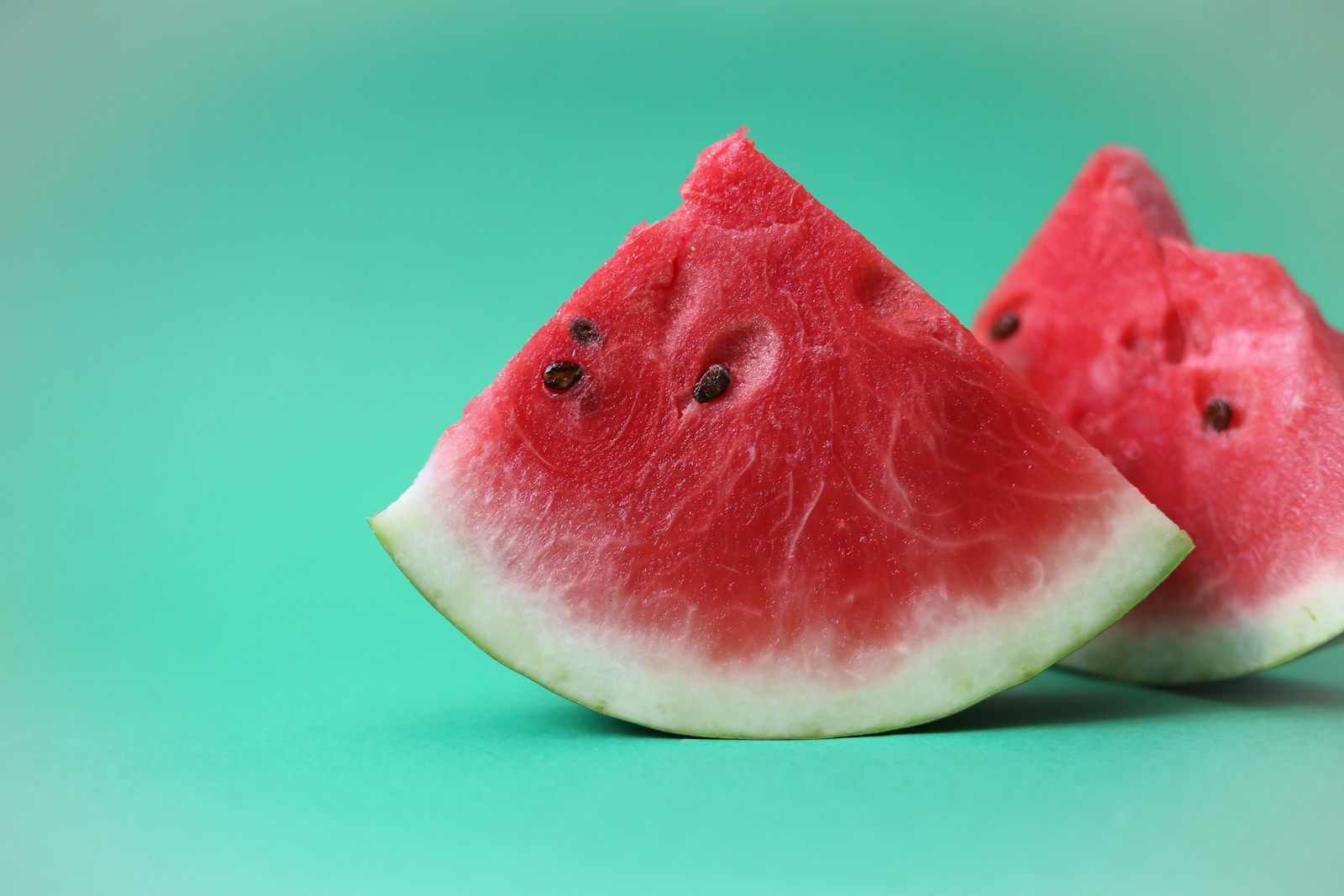
Summer in Australia is synonymous with outdoor barbecues, picnics, and, of course, indulging in juicy slices of watermelon. However, this year, those hoping to quench their thirst with this refreshing treat might find themselves with a sour taste in their mouths as watermelon prices soar across the nation.
The major supermarkets in Australia, including Coles and Woolworths, are attributing this price hike to a season change and supply challenges.
Coles, one of the leading supermarket chains in the country, is currently selling watermelons for a whopping $3.90 to $4.50 per kilo, depending on the state. This translates to approximately $36 for an entire melon, depending on its final weight.
Woolworths, although slightly more affordable, still charges a hefty $34.32 for a watermelon. This unexpected surge in prices has left many consumers wondering what has caused their beloved summer favourite to become a luxury item.
The increased cost of this fruit is attributed to erratic weather patterns in the Northern Territory, as the fruit transitions into a new season. At present, Australia is experiencing a watermelon transition period, as the cultivation region shifts from the Northern Territory to Northern Queensland with the onset of warmer weather.
According to a spokesperson from Woolworths, they have assured that there are “still excellent, fresh watermelons in stock.” They further elaborated, stating, “Our dedicated farmers have informed us that they have an exceptional crop on its way, perfectly timed for the summer season. Therefore, our valued customers can anticipate witnessing an improvement in the upcoming weeks.”
Although watermelon enthusiasts will need to exercise patience, a variety of other fruit deals await them at the store. Abundant berry harvests have led to strawberries being available for as little as $1.80 per punnet, and even the typically costly blueberries have dropped to just $2.80 per punnet.
Coles has directed the attention of its customers to its latest selection of discounted items, which includes “tomatoes, cucumbers, berries, and citrus.”


