

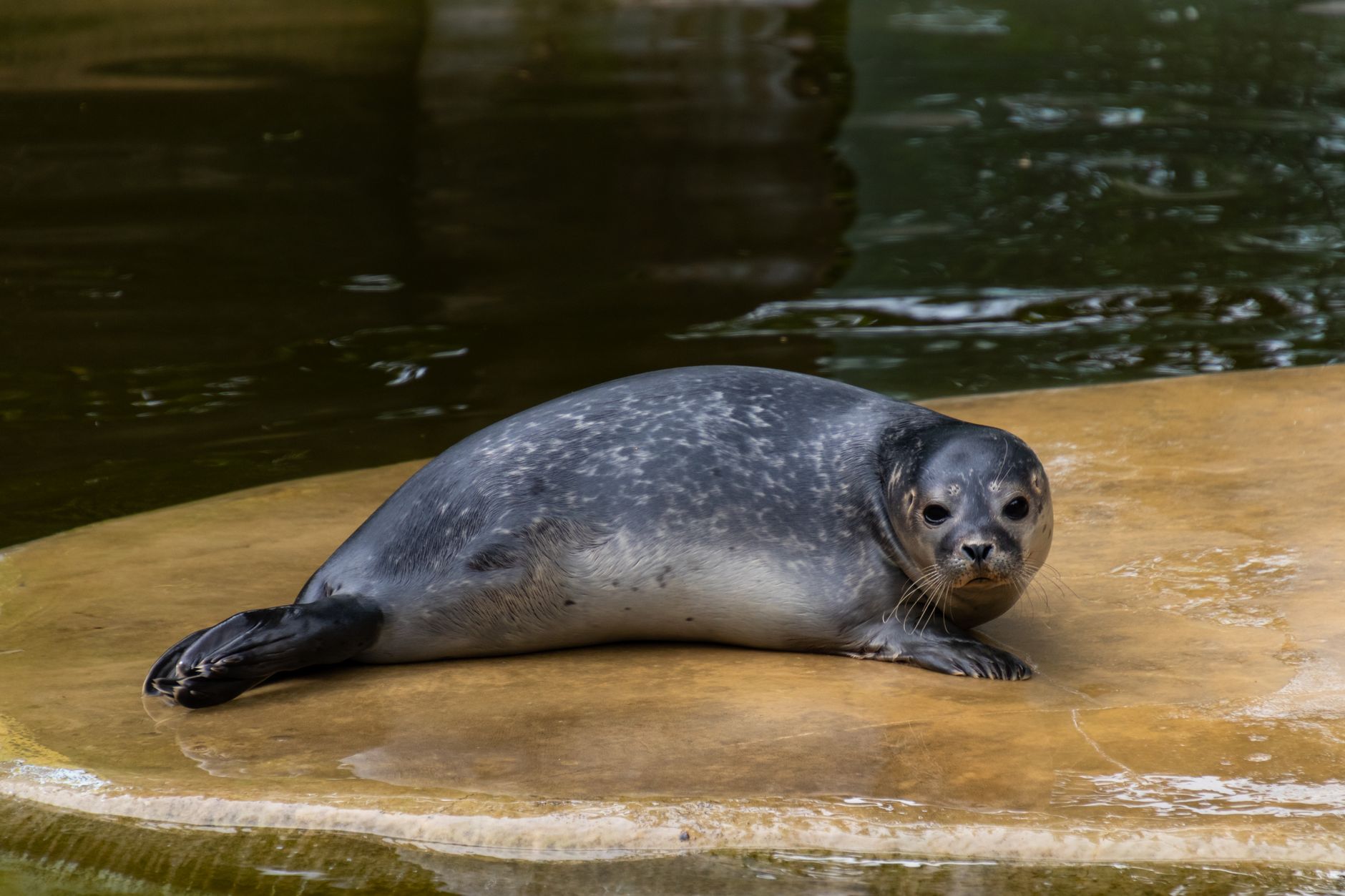
Australia has confirmed its first case of bird flu in a mammal after a long-nosed fur seal was found dead on the South Australian coast.
The seal was discovered near Beachport, in the state’s south-east, and testing later confirmed it had been infected with H5 bird flu. The discovery represents a new development in Australia’s ongoing bird flu outbreak, which has so far primarily affected wild birds.
The federal government confirmed the case on Sunday, with authorities now closely monitoring the situation to determine whether the virus has spread to other marine mammals.
The development is particularly concerning because of the potential impact on Australia’s wildlife. Seals and sea lions can be susceptible to strains of avian influenza because they may come into contact with infected birds or contaminated environments.
Australia’s outbreak began earlier this year and has since resulted in hundreds of confirmed cases among wild birds across several states. South Australia has recorded a significant proportion of those cases.
The federal Department of Agriculture, Fisheries and Forestry says the risk to human health remains low. It also says there have been no detections of H5 bird flu in Australia’s poultry or wider agricultural industry.
Authorities are urging members of the public not to handle sick or dead birds and to report unusual wildlife deaths to the relevant authorities.
The latest case has also increased attention on endangered Australian sea lions. Large numbers of birds have died in areas close to important sea lion colonies, raising concerns among wildlife experts about what could happen if the virus begins spreading among marine mammals.
The government is already considering measures to protect vulnerable wildlife. Officials have previously discussed vaccination and other interventions as part of the broader response to the outbreak.
The confirmed seal case does not currently indicate that the virus is spreading widely among Australian mammals. However, authorities are expected to increase surveillance of seals and other marine wildlife following the discovery.
For Australia, the case marks another stage in an outbreak that has already caused significant concern among wildlife and agricultural authorities.
The immediate focus will now be on determining how the seal became infected and whether any other marine mammals have been exposed.


