
By Fiona Campbell
When remote work became the norm during the pandemic, many assumed it was a stopgap measure.
The truth is, the virtual assistant industry was well-established long before COVID, though the pandemic broadened awareness and firmly positioned the industry as a long-term staffing strategy.
Increasingly, Australian business owners are turning to remote support – not just to save money, but to grow smarter.
I have been in the virtual support industry since 2013 and, through the Virtual Assistant Lead Network, I have helped hundreds of business owners find skilled, flexible support.
Running a fully remote team myself, I have seen firsthand how transformative it can be to delegate strategically.

What’s driving the growth in Australia?
The growth of remote support is being driven by two forces: cost and compliance pressures on employers, and a maturing, professionalised virtual assistant (VA) and online business management (OBM) industry.
On the cost side, small businesses are grappling with rising employee expenses. For example: From 1 July, the super guarantee increased to 12%, and the minimum wage rose by 3.5%.
According to the ScotPac SME Growth Index, 45% of SMEs are turning to contractors, 30% have paused hiring altogether, and 14% are outsourcing more. For many, contractors are the sustainable middle ground: skilled help without the overheads.
At the same time, the industry itself has levelled up. Our 2025 VA & OBM Rates Report, which surveyed 217 Australian VAs and OBMs with active ABNs across 42 different services, provides one of the most comprehensive snapshots of this sector to date – capturing contractor rates, service availability, skill and experience levels, and the growing shift toward outcome-based work. Here’s what we found:
- Rising rates: Roles in general admin now average $55/hr (up 10% from 2024), OBM’s $72.50/hr, project managers $71.80/hr, and automation specialists $71.20/hr.
- Premiums for expertise: Expert services attract a median 13.7% higher rate, with the biggest jumps in content writing (+27.7%), contracts administration (+25.4%), and HR assistance (+22.9%).
- Flexible availability: 83.9% of VAs and OBMs work “as needed” – perfect for businesses that want help without committing to a permanent headcount.
- A seasoned workforce: On average, respondents bring 16 years of in-office experience before going virtual.
The pandemic normalised remote work, but it’s this combination of economic reality and workforce maturity that is cementing it into the long-term strategy of Australian businesses.
How to know if your business is ready
For many founders, a VA is their first hire. The flexibility is appealing: you can start with just a few hours a week, pay only for what you need, and scale as you grow.
Ask yourself:
- Am I spending hours on admin that someone else could do?
- Are marketing or client communications slipping through the cracks?
- Could specialist expertise – in HR, bookkeeping, or tech – free me up to focus on revenue?
If the answer is yes, you’re ready. One misconception I hear often is that you must have every system in place before hiring – this isn’t true. If you can outline the outcomes you want, a skilled VA or OBM will help you refine and document processes along the way.
The 2025 Rates Report is also a useful benchmark. For example, knowing that a marketing strategy specialist averages $82.78/hr or that a C-suite EA averages $69.30/hr helps you budget realistically and set expectations from the start.
Common mistakes to avoid
Even as the industry matures, business owners still fall into avoidable traps when hiring remotely. The biggest mistakes I see are:
- Not defining outcomes: Contractors thrive when given clear deliverables.
- Expecting a unicorn: One person cannot be your admin, designer, bookkeeper, and web developer.
- Neglecting onboarding: Even flexible staff need direction, access, and communication.
- Treating contractors as outsiders: When VAs and OBMs feel excluded, you lose valuable insight and loyalty.
How to find the right person quickly
Finding the right person isn’t just about skills. It’s about values, communication style, and the type of working relationship you want.
Be upfront about your budget, tools, and expectations. Remember: this is not about hiring cheap, it’s about hiring smart. Businesses that pay for experience often get faster results and better accountability – a theme echoed throughout our Rates Report.
Where to hire? General recruitment sites and social platforms such as Facebook groups are an option, but they can be hit-and-miss. Industry-specific boards such as Rachel’s List or the Virtual Assistant Lead Network connect you directly with Australian professionals, often within days. That speed and focus is crucial for SMEs who don’t have weeks to spare on recruitment.
The approach that will make remote support work for you
To get the most out of remote support, I recommend the framework we use ourselves: Streamline, automate and delegate.
- Streamline: Cut unnecessary steps before considering automation.
- Automate: Eliminate manual labour with no-code tools and native automated workflows such as task delegation triggered by customer actions.
- Delegate: Only delegate what can’t be automated, and start with clearly defined tasks, then review, improve and expand.
This approach helps you avoid the common pitfall of delegating what should be automated, or automating tasks that don’t need doing at all. It sets up your VA or OBM for success, and gives you more time to focus on growth.
The 2025 Rates Report makes it clear: Australia’s VA and OBM industry is a highly skilled, professional workforce. Businesses are no longer outsourcing to “buy hours” – they’re investing in outcomes and expertise, with flexibility as a bonus.
Remote support is a strategy that allows SMEs to stay lean and focused on what matters most. Whether you’re looking for admin relief, marketing expertise, or strategic oversight, the right remote team member can help you grow without burning yourself out or locking in payroll commitments.
The future of work in Australia is flexible, outcome-driven, and already here. The question is: Are you ready to take advantage of it?
Author Bio
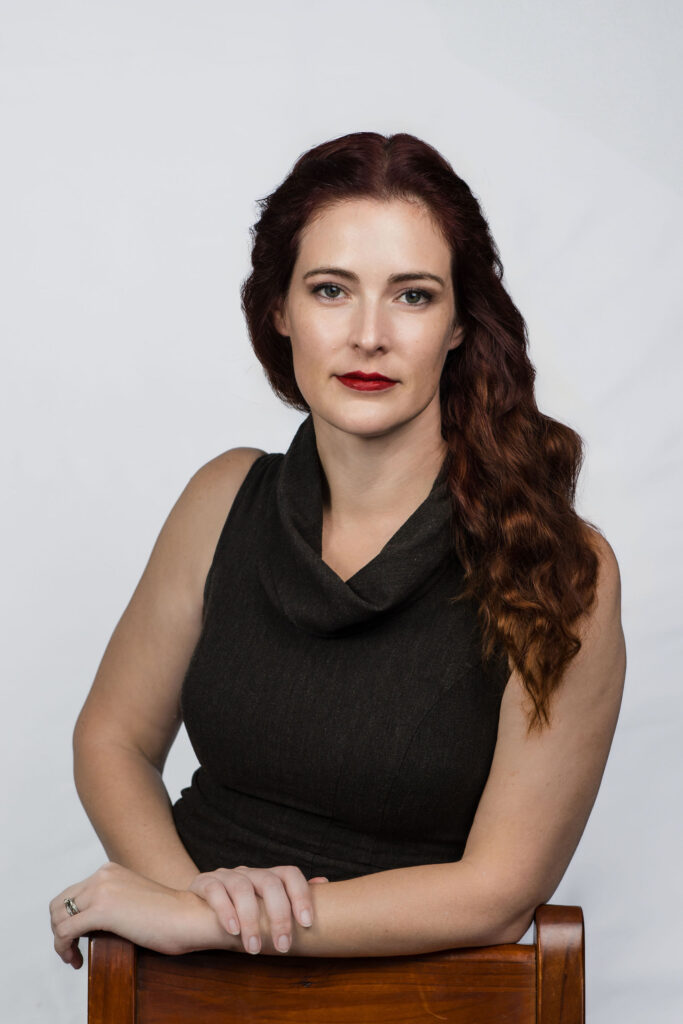
Fiona Campbell is a technology and systems expert who helps small business owners, executives and CEOs streamline, automate and scale.
She runs Thought Penny, a team of virtual assistants, and the Virtual Assistant Lead Network, referred to by its users as ‘Seek’ for virtual assistants and online business managers. Having worked remotely since 2013, she has helped hundreds of business owners optimise their systems, improve productivity and outsource effectively.