

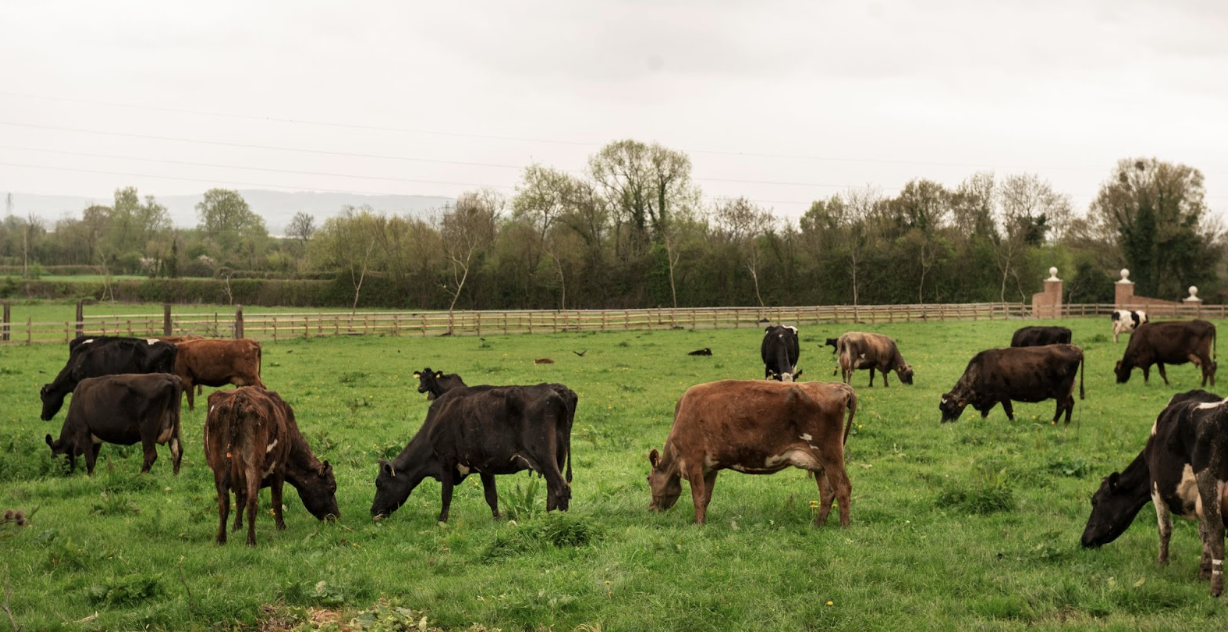
The Australian beef industry, long regarded as a global powerhouse, is navigating a new wave of trade turbulence following the announcement of tariffs by the U.S. President, Donald Trump.
While the immediate impact appears muted, producers and exporters are bracing for the ripple effects that could reshape market dynamics and consumer behaviour. People are beginning to wonder how it will affect such a strong and historical industry as the smoke clears after its announcement.
Australia: A Global Leader in Beef Production
The Australian beef sector is one of the most robust and export-oriented in the world.
As of 2025, the national cattle herd stands at approximately 29.9 million head, with Queensland accounting for nearly 45% of the total. The country exported 1.4 million tons of beef and veal in the 2024-25 financial year, marking the highest annual volume ever recorded. These exports generated $11.3 billion AUD in revenue in 2023 alone.
Australia is the second-largest beef exporter globally, with 67% of its beef production destined for overseas markets. The United States, China, Japan, and South Korea are among its top customers, with the U.S alone importing over 203,000 tonnes of Australian beef in the first half of 2025, up 31% from the previous year.
This worldwide dominance is underpinned by Australia’s reputation for high-quality, traceable, and sustainably produced beef. The industry benefits from advanced feedlot systems, rigorous biosecurity protocols, and a national livestock identification system that ensures full traceability from paddock to plate.
Additionally, the depreciation of the Australian dollar has made exports more competitive, further boosting demand, meaning that foreign buyers are finding Australian beef more attractive, especially those paying in US dollars, as they get more Australian dollars for each unit of their currency. For example, if a kilogram of beef costs $10 AUD, and the AUD is US $0.62, the US buyer pays about $6.20 USD.
Australia’s strategic investments in genetics, pasture management, and processing capacity have positioned it to thrive amid tightening global supply. With other major procedures like Brazil and the US facing herd contractions, Australia’s steady output and premium branding give it a distinct edge in the international marketplace.

United States Trump’s Tariffs: A Political and Economic Flashpoint
In April 2025, President Trump announced a 10% baseline tariff on all Australian exports to the U.S, singling out beef as a key target. His rationale centred on claims that Australia “bans American beef” and maintains unfair biosecurity restrictions – despite the fact that Australia’s import guidelines are rooted in internationally recognised animal health protocols. The move is part of a broader “liberation day” initiative aimed at reasserting trade dominance and protecting American producers, yet it has raised eyebrows on both sides of the Pacific.
Unlike previous trade clashes, this tariff is less about immediate relations and more symbolic of a larger geopolitical play. Trump’s rhetoric suggests a protectionist pivot, one that prioritises domestic optics over economic pragmatism. Critics argue that penalising high-quality, trusted suppliers like Australia undermines US food security, especially given rising domestic beef prices and supply chain fragilities. While the 10% tariff is lower than those imposed on other countries, Brazil faces a potential 76.4% tariff on beef, and Australian producers are still concerned. The US is Australia’s largest red meat market, and any increase in import costs could affect competitiveness and margins.
Australia’s Response
Prime Minister Anothy Albanese responded firmly, stating that Australia’s biosecurity standards are nonnegotiable and that the country would not retaliate with its own tariffs.
Industry leaders echoed this sentiment, emphasising the importance of maintaining high safety and quality standards. Behind closed doors, many Australian exporters may be considering revising contracts and shipping volumes, bracing for potential knock-on effects across feedlot investments, abattoir staffing, and refrigerated logistics. Meanwhile, American importers, particularly those in California and Texas, have voiced concern over losing reliable access to lean Australian beef, which complements local blends in premium burger chains and ready-to-eat meals.
As diplomatic conversations unfold, the Australian beef industry is standing its ground: balancing resilience with a clear-eyed strategy, determined not to let a political flashpoint fracture a decades-old trading relationship.

What Farmers are Saying
Reactions from Australian farmers have ranged from cautious optimism to deep frustration; NSW Farmers President Xavier Martin described the tariffs as “disappointing” but urged producers to remain calm and focus on long-term resilience. Others, like Queensland cattle farmer Charlie Perry, called the 10% tariff “irritating but not catastrophic”, noting that the uncertainty leading up to the announcement was more damaging than the tariff itself.
The National Farmers’ Federation (NFF) expressed “profound disappointment”, warning that the tariffs could hurt both Australian producers and American consumers. According to the Red Meat Advisory Council, Australian beef is used in an estimated 6 billion hamburgers consumed annually in the US, and the tariff could cost American consumers $600 million USD per year.
Farmers like Tony Hegarty in the Hunter Valley are drawing on decades of experience to weather the storm. “We’ve diversified before, when the UK joined the EU, when China imposed bans, and we’ll do it again”, he said. Western Australian livestock farmer Mark Thomas added, ‘we’re still on an even playing field globally. A 10% tariff isn’t ideal, but it’s manageable”.
Many producers are now looking to alternative markets and value-added products like jerky and ready-to-eat meals to buffer against volatility. The sentiment across rural Australia is clear: while the tariffs sting, they won’t break the backbone of an industry built on grit, adaptability, and global demand.
Supporting Local Producers: The Rise of Beef Jerky
Amid trade uncertainty, consumers are finding new ways to support Australian producers.
One standout example is growing in popularity: Australian beef jerky. Australian beef jerky has become a $40 million AUD industry with high growth rate potential. Products like Jeerks Beef Jerky and Nive Jerky, made from locally sourced cattle, offer a convenient and nutritious way back to domestic agriculture.
As Meat & Livestock Australia notes, Jerky is poised for a “meat snacks revolution”, with demand rising among health-conscious consumers seeking high-protein, low-carb options. Online platforms have made it easier than ever to purchase such items, resulting in Australia’s access to Australian beef jerky online becoming a form of economic solidarity.
Looking Ahead: Challenges and Opportunities
While Trump’s tariffs have introduced new challenges, they’ve also highlighted the resilience and adaptability of Australia’s beef industry. Producers are leveraging technology, diversifying markets, and investing in sustainability to stay competitive.
The Rabobank Glocal Beef Quarterly warns that further escalation, especially invoicing Europe or China, could disrupt trade flows and increase volatility. However, Australia’s reputation for high-quality, safe, and sustainable beef gives it a competitive edge in a shifting global landscape.
As the dust settles, one thing is clear: Australia’s beef industry is not just surviving, it’s evolving. Whether through record exports, innovative products like beef jerky, or steadfast commitment to biosecurity, the sector continues to prove its strength on the world stage.
This is branded content.


