

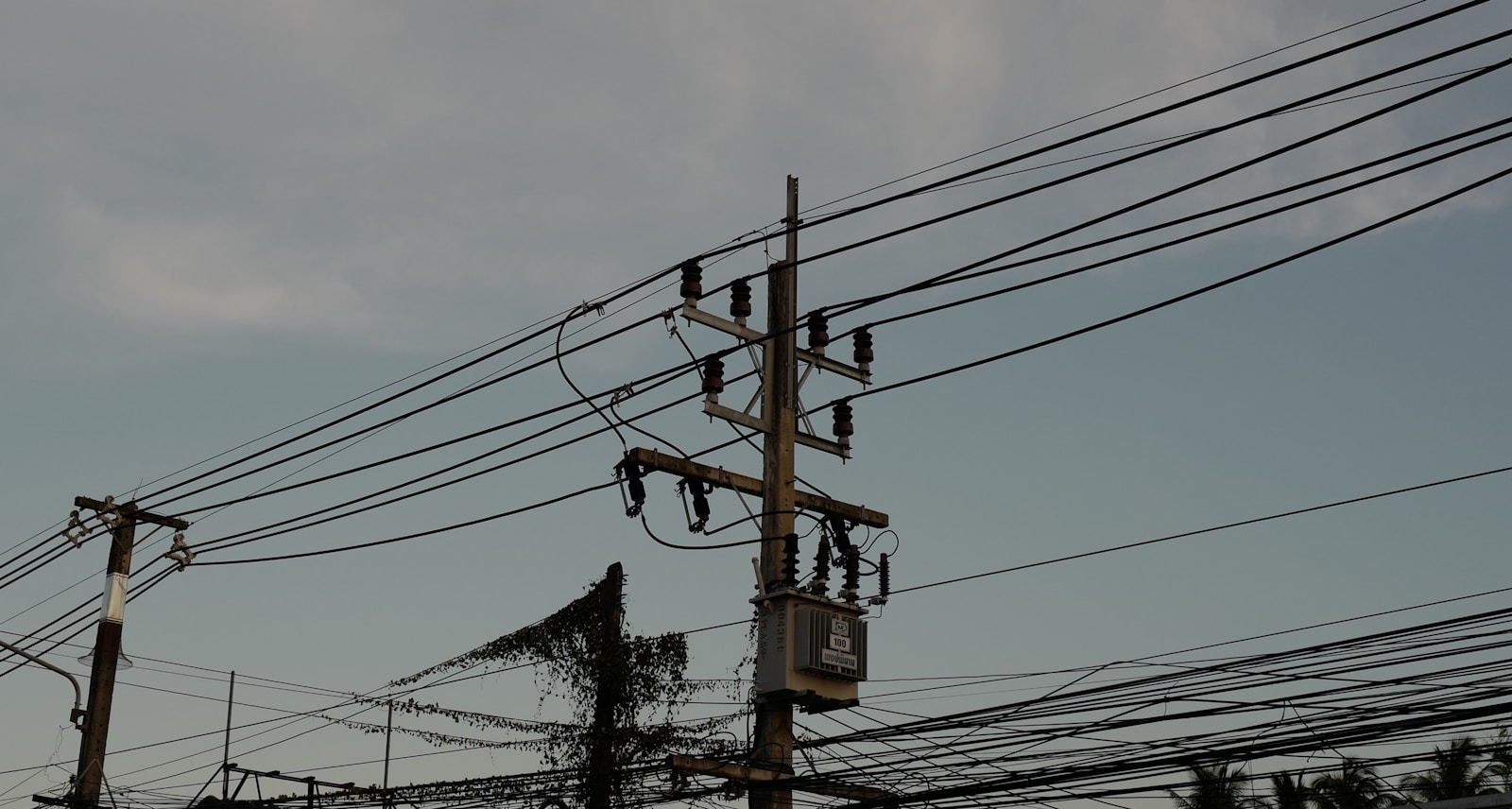
Starting July 1, 2025, households will feel the electricity price increase across NSW, South Australia, and Southeast Queensland.
The increase will be as per the Australian Energy Regulator’s (AER) final Default Market Offer (DMO) determination.
The DMO sets the maximum price retailers can charge customers on standard retail plans, affecting approximately 8% of residential customers.
NSW Households Face the Highest Increases
In NSW, residents will see the most significant hikes, with electricity prices rising between 8.3% and 9.7%.
For example, customers under Essential Energy may witness their annual bills increase from $2,513 to $2,741.
Moderate Electricity Price Increase in South Australia and Southeast Queensland
South Australian households can expect price increases ranging from 2.3% to 3.2%, while those in Southeast Queensland will see hikes between 0.5% and 3.7%.
Factors Behind the Electricity Price Increase
The AER attributes these increases to several factors:
- Wholesale Market Costs: Elevated demand, unexpected outages at coal-fired power stations, and lower-than-anticipated solar and wind energy production have led to higher wholesale electricity prices.
- Network Costs: Inflation and rising interest rates have contributed to increased expenses in maintaining and upgrading electricity infrastructure.
Impact on Low-Income and Regional Households
Low-income earners and residents in regional or remote areas are likely to be most affected by these increases. According to the AER, low-income households spend a higher percentage of their income on electricity, and regional areas often face higher network costs due to infrastructure maintenance.
Government Response and Consumer Advice
Energy Minister Chris Bowen has encouraged consumers to compare energy plans using tools like Energy Made Easy to find better deals.
Many Australians are not on the cheapest plans available, and switching could lead to significant savings. Analysts suggest potential savings of up to $400 annually by switching providers.
The AER also advises consumers to contact their retailers if they are struggling to pay bills, as retailers are required to assist under national energy laws.


