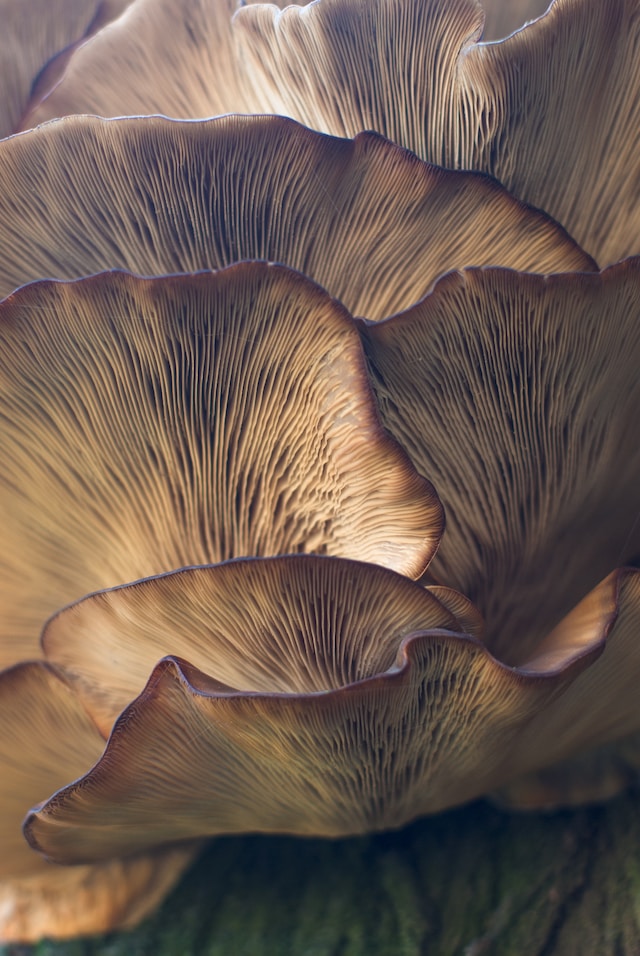
Glowing green mushrooms have enticed thousands of tourists into an isolated South Australian forest at night-time in recent years, but there is concern the rare fungi are disappearing.
Ghost Mushroom Lane at Glencoe, in the state’s south east, is a popular location in May and June, thanks to its bioluminescent fungi.
But a lack of concentrated mushroom growth at the site during opening times in recent years has the state’s forestry corporation considering changing arrangements in 2024.
“The short-term future for the mushroom lane depends on whether or not the mushrooms grow,” ForestrySA chief executive Tim Ryan said.
“It’s obviously been a fantastic attraction over the last few years, but in the last couple of years we’ve just had less mushrooms growing in that lane location than we had previously seen, and perhaps less than what we’d anticipated.”
The attraction, about 16km from Mount Gambier, was officially opened in 2017, with visitors able to take a self-paced tour of the path through the forest.
Since then, many thousands of tourists have travelled to the site, which is one of the largest single locations for the mushrooms in Australia.
Mr Ryan said opening periods had been shortened in previous years as the concentration of mushrooms declined.
He said ForestrySA was unsure why fewer mushrooms were growing at the site.
“It’s probably due to natural causes — seasonal weather changes and obviously the life cycle of the forest too,” he said.
“We’re just not sure that they’ll grow this year.
“There are other mushrooms in the forest, but it’s probably the case that they’re going to be less concentrated and across a number of different locations.”
Photographer Ockert Le Roux found the spot now known as Ghost Mushroom Lane while searching for the species in the pine forest in 2016.
He said he had not seen a decline in mushroom volume or brightness, but that last year’s growing season had come earlier than usual.
“I’ve not seen less or more, it’s more season-dependent,” Mr Le Roux said.
“I think what happened last season was the flowering of the fruit body, which is the actual mushroom that you see, started much earlier, around the Easter weekend.
“It started very early and it ended very early.”
Mr Ryan said he expected to have potential alternative arrangements in place by March, ahead of the usual opening season in May and June.
“The challenge is we’ve had a whole lot of mushrooms in one location, and now we’re potentially looking at having fewer in various locations,” he said.
“Everyone would love to see it grow and flourish, so hopefully it does, and if not I think we can make the best of finding other ways to view and appreciate those ghost mushrooms.
“We are looking at a bunch of different options.”