

Authorities in one of Australia’s most remote communities are calling for help to screen its residents for tuberculosis, after a 19-year-old woman who spent time there died from the contagious disease in Kalgoorlie.
Paupiyala Tjarutja Aboriginal Corporation chief executive Jon Lark said the young woman died in November last year was a transient resident of Tjuntjuntjara.
Mr Lark said she spent a lot of time in the remote community, where she had many close contacts, but also travelled to Kalgoorlie and the APY Lands in South Australia.
Mr Lark told the ABC the WA government had known about the woman’s death since the end of January.
But more than six months later, screening of the woman’s contacts in Tjuntjuntjara is yet to be completed.
‘Far and forgotten’
103 cases of tuberculosis have been recorded in WA this year, with at least two cases involving Indigenous people, according to Department of Health data last updated on September 9.
Mr Lark said he wanted WA Health staff to travel to Tjuntjuntjara to conduct community-wide screening, to help to determine whether tuberculosis was spreading locally.
“It’s so disappointing to be so far removed, so far forgotten, so far from everything and having such limited resources for our health service to be able to deal with a situation like this,” he said.
“If something like this happened in a metropolitan area, I’m sure there’d be a response overnight.”
Mr Lark said limited resources available to the Aboriginal community, located in the Great Victoria Desert, about 650 kilometres north-east of Kalgoorlie, meant only “very minimal” screening of Tjuntjuntjara residents had been possible.
“The only response has been one that the community has started at our own expense with our very limited resources,” he said.
North Metropolitan Health Service told the ABC the majority of the woman’s contacts had been screened and screening was ongoing.
Tuberculosis is a bacterial infection that is spread by people who have the infectious disease in their lungs, when they cough, sneeze, or even, as recent data suggests, when they speak.
Mark Nicol, a professor in microbiology at the University of Western Australia, said it spread in the air in much the same way as COVID-19 did.
He said once tuberculosis was detected, the public health response was “fairly straightforward”.
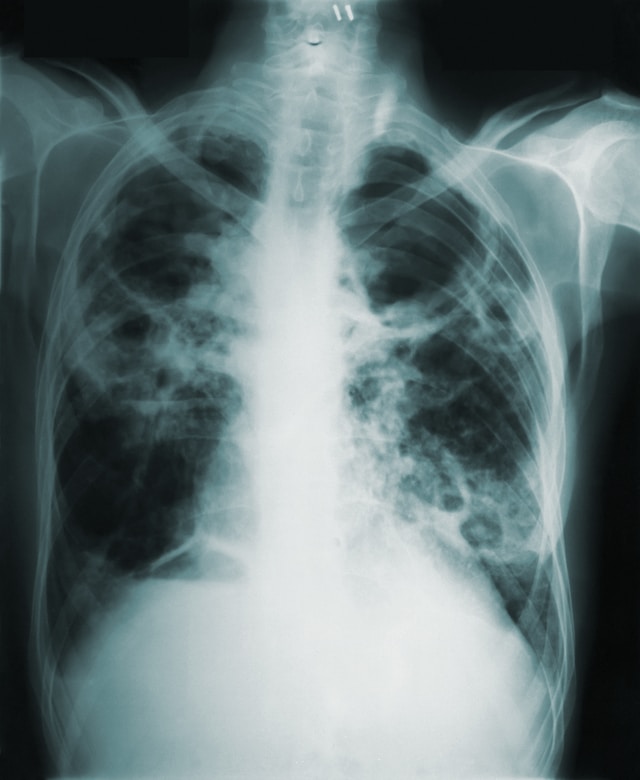
Professor Nicol said in a typical response, healthcare workers were sent to an affected community to screen contacts for symptoms and, if necessary, do chest X-rays and sputum testing.
He told the ABC this process should happen rapidly.
“The sooner you can identify the secondary cases and interrupt the transmission, the better,” he said.
Mr Lark said he believed the state government’s response in Tjuntjuntjara had been too slow.
“The West Australian government has known about this since January and hasn’t stepped in to do anything or provide any resources to us to be able to do it,” he said.
“Without the proper resources, we can’t work out how extreme the situation is.”


