

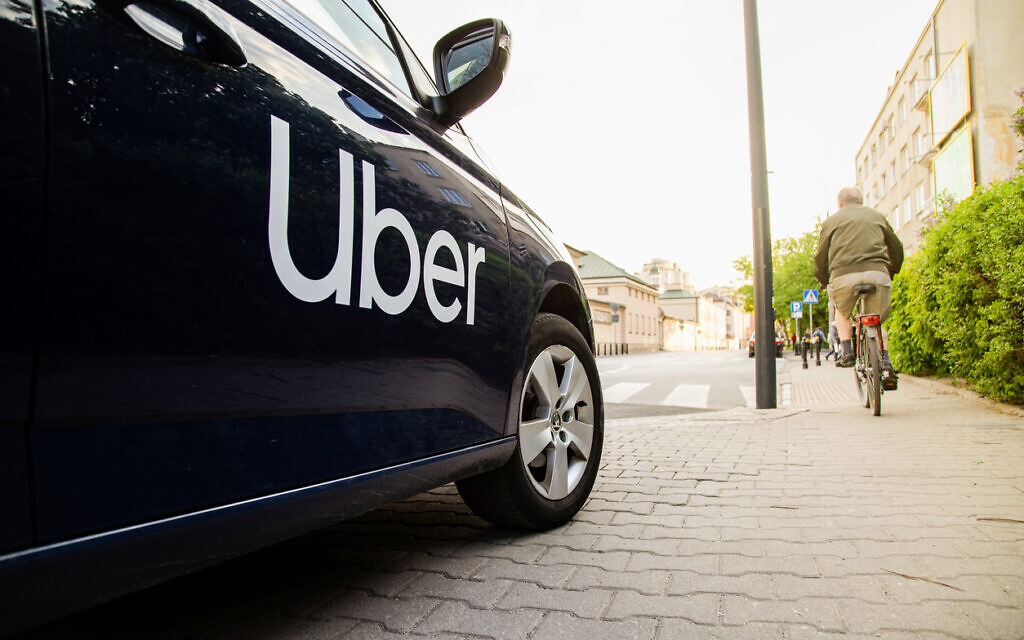
Uber has announced plans to cut its fares by up to 5% next month, aiming to attract more customers to its ride-sharing service. The decision, however, has sparked outrage among drivers, who view the move as a further exploitation of their already strained financial situation.
Uber, which currently takes a 27.5% commission from drivers’ earnings, has faced criticism for not considering the economic realities faced by its gig workers, who must also cover GST from their earnings.
In an email sent to drivers this week, Uber detailed the forthcoming fare reduction, set to take effect in August.
The company stated that it continually reviews pricing to balance providing a high-quality, reliable service for riders with offering attractive earning opportunities for driver partners. Despite these claims, many drivers feel the cut in fares will negatively impact their livelihoods.
Drivers argue that the fare reduction exacerbates their financial struggles. With the existing 27.5% commission and the obligation to pay GST, many drivers are left with meager take-home pay.
The new pricing changes will be implemented starting August 7. According to a McKell survey conducted last year, three-quarters of transport gig workers reported working long hours to cover their expenses, while two-thirds of full-time workers earned less than the minimum wage.
The Transport Workers Union has warned that Uber rideshare drivers will see their earnings cut starting next month, as the gig economy continues to deteriorate without enforceable standards to protect workers.
Michael Kaine, national secretary of the Transport Workers Union, expressed that rideshare drivers are enduring the consequences of a market battered by lack of regulation.
He emphasised, “Some of the most vulnerable and underpaid workers in our economy are once again facing reduced earnings in a market that is collapsing. Rideshare drivers, who lack rights to minimum wage or other entitlements, spent the night contemplating how they will manage next month’s bills.”
Kaine attributed this situation directly to “a decade of the Coalition Government promoting gig economy exploitation under the guise of innovative apps, without implementing necessary worker protections.”


