

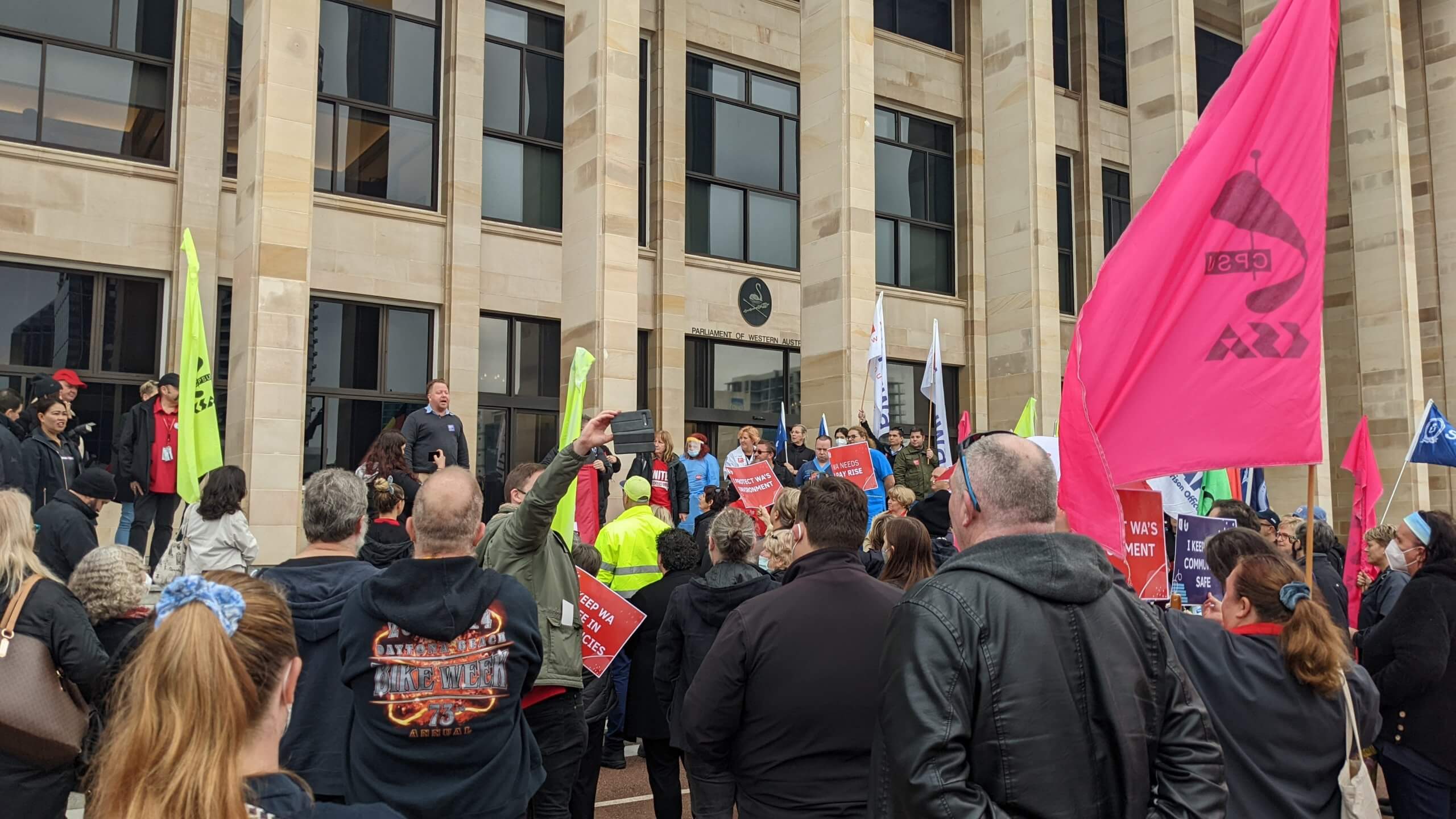
Thousands of public sector staff are gearing up for a 24-hour strike on October 9, 2023, a move expected to cause significant disruptions to major welfare services across the country.
The strike action is being organised by workers from Services Australia, who are taking a stand against the government’s perceived “lukewarm” 11.2 per cent wage offer. Unions argue that this offer does little to alleviate the biting cost-of-living pressures that many Australians are currently facing.
The decision to strike comes after months of negotiations between the government and public sector unions failed to yield a satisfactory agreement on wage increases. Workers, frustrated by what they view as inadequate compensation for their vital work, have chosen industrial action as a means to draw attention to their concerns.
Melissa Donnell, the secretary of the Community and Public Sector Union, affirmed, “The negotiated conditions package, which encompasses industry-leading work-from-home rights, enhanced paid parental leave, the reinstatement of job security safeguards, and heightened casual loading rates, enjoys robust support.”
“However, against the backdrop of the severe financial strains faced by every APS worker due to escalating living expenses, the current salary proposal falls short of expectations.”
After weeks of work bans and one-hour stoppages staged by Services Australia employees, the impending strike in October will signify the initial phase of industrial action that directly affects customers.
In a recent union survey involving 15,000 members, results indicated a slim majority of staff supporting the government’s present pay proposition, which has been presented as the most substantial pay hike for APS employees in more than a decade.
Ms. Donnelly explained that the union rejected the offer, stating, “We have the capability, and our aspirations should exceed a mere 50 percent plus one.” She also cautioned that they would submit additional requests for strike votes in other APS workplaces.
In March, Centrelink experienced a substantial increase in waiting times, with callers reporting an average wait of up to 20 minutes for assistance, representing an almost 50 percent surge.
Government statistics also indicate an escalation in wait times for certain other Services Australia programs, such as Medicare and Child Support. Hank Jongen, the General Manager of Services Australia, affirmed that the agency is actively making preparations to “limit” the impact of industrial action on individuals seeking assistance.


