

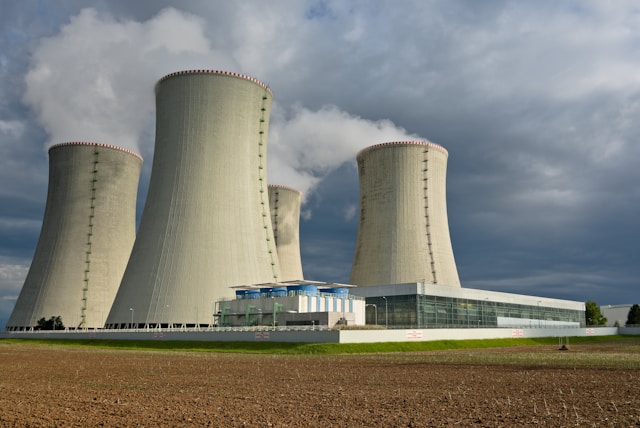
Google and Microsoft nuclear power for AI initiatives are reshaping the global energy and technology landscape. The two tech giants are turning to nuclear energy to supply clean, reliable power for their growing artificial intelligence (AI) infrastructure.
The move highlights how the AI boom is driving massive new electricity demands from data centers worldwide.
Google’s Partnership with NextEra Energy
Google has announced a plan with NextEra Energy to restart the Duane Arnold Energy Center in Iowa. The nuclear plant, closed in 2020, is expected to be operational again by 2029.
Google signed a 25-year power-purchase agreement (PPA) to secure electricity for its expanding network of data centers. This long-term deal gives Google access to consistent, carbon-free energy while supporting U.S. clean energy goals.
According to Google, the partnership will “build energy capacity, deliver reliable clean power, and create new jobs for the AI-driven economy.”
Microsoft’s Early Move with Three Mile Island
Microsoft made a similar move earlier by partnering with the Three Mile Island Nuclear Generating Station in Pennsylvania, which was shut down in 2019. Under a new name, the Crane Clean Energy Center, the site will supply electricity to Microsoft’s data centers as AI operations continue to grow.
Both companies are securing dedicated energy sources to protect against grid instability and price fluctuations, while ensuring sustainability for their cloud platforms.
Why Nuclear Energy Is Key to the AI Revolution
AI workloads consume enormous amounts of electricity. The International Energy Agency (IEA) projects global data-center energy use will more than double by 2030.
Nuclear power offers a practical solution: it is carbon-free, stable, and high-capacity — ideal for powering AI systems that need uninterrupted electricity.
By using nuclear energy, Google and Microsoft can expand AI capabilities without increasing fossil fuel reliance.
A Turning Point for Tech and Energy
The decision by Google and Microsoft marks a major shift in how Big Tech powers its infrastructure. Restarting nuclear plants requires significant investment, regulatory approval, and public support, but the potential benefits are substantial.
If successful, this approach could set a precedent for other technology companies seeking clean, large-scale energy solutions for AI.
The Bottom Line
The Google and Microsoft nuclear power for AI strategy signals a new era in technology and sustainability. As AI continues to grow, so does the need for innovative, clean energy sources.
By reviving nuclear power, these companies are leading the charge toward a cleaner, more reliable energy future for the digital age.


